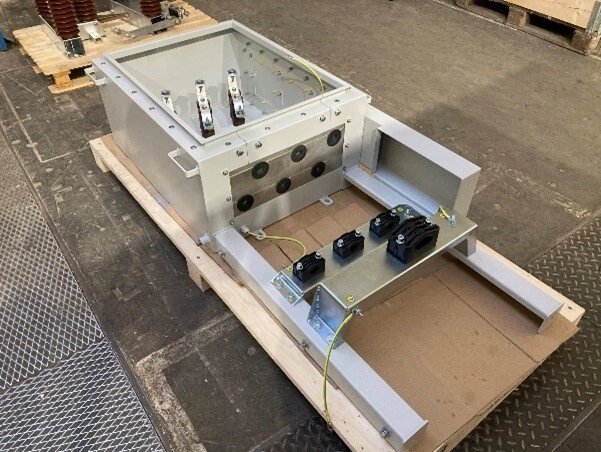
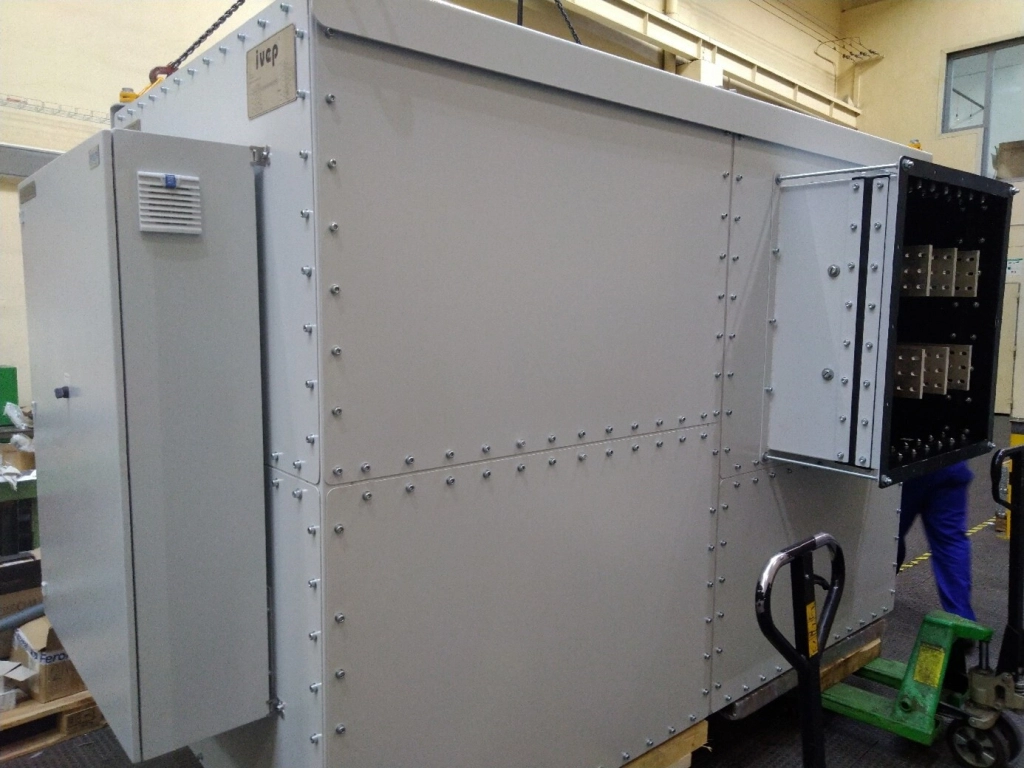
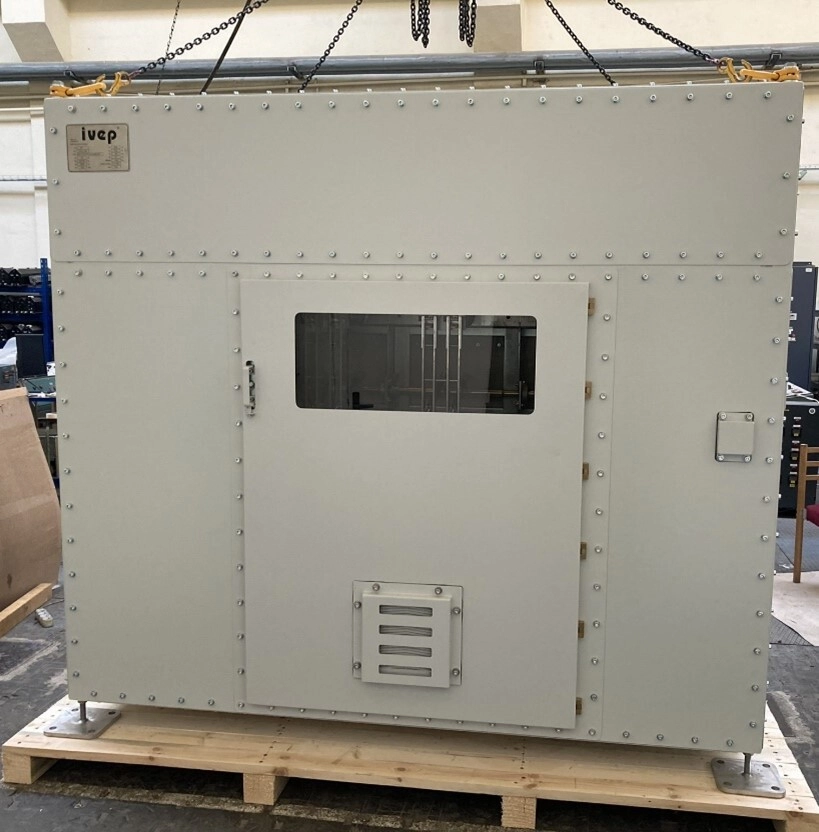
Energy systems with the highest quality for individual customer requirements as well as extreme conditions. We show the energy the way.
Our company values:
- We are committed to innovation.
- Everything we do has the highest possible quality.
- We recognize and reward individual and team achievements.
- We respect team spirit and responsibility.
- We share our common goals through teamwork.
- We trust and respect one another.
- We openly discuss what we expect from each other.
- We do business honestly, with integrity.
- Our corporate culture is just ours, we are independent.
- Our people are our most valuable asset.
Our company vision:
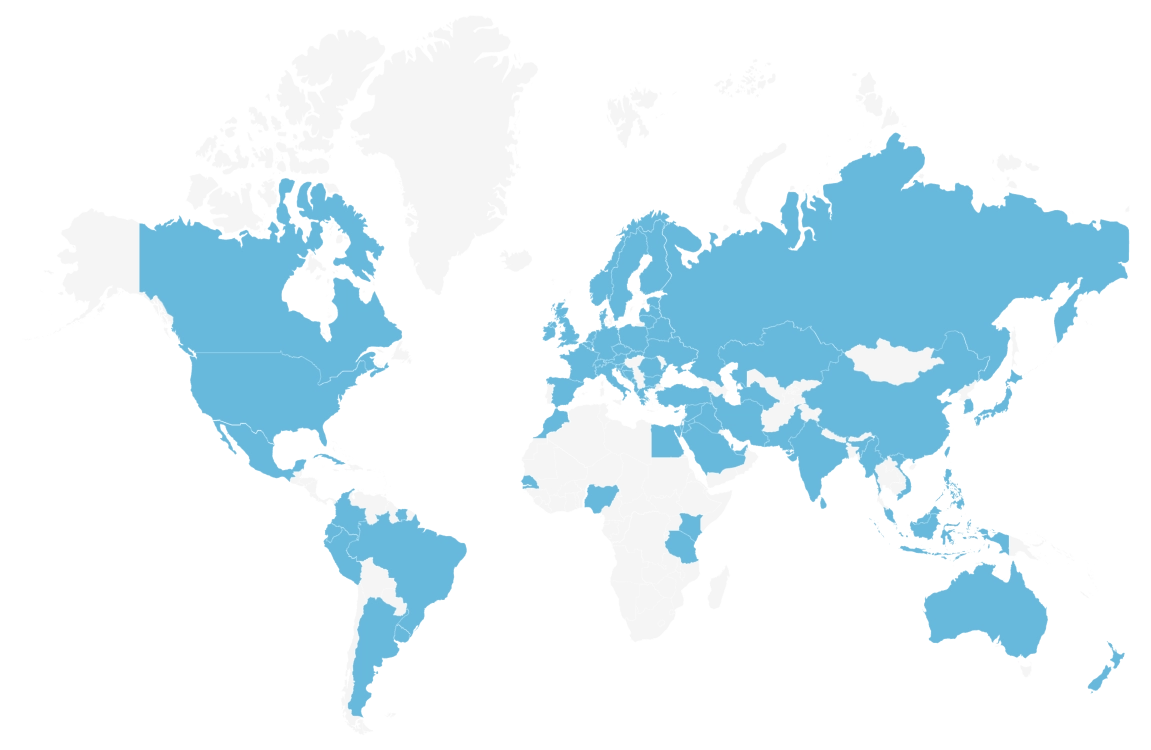
To become the preferred top quality power systems supplier for power distribution grids, railways and industrial customers from around the world.
What we do?
High Voltage Generators
High voltage generators are a type of electric generator that produces electricity at a high voltage, typically in the range of 100 kV to 1 MV. They are used in a variety of applications, including power transmission, power distribution, and industrial processes.
Features
High voltage generators are typically large and complex machines. They typically have three-phase output, and they can be either synchronous or asynchronous. Synchronous generators use a rotating magnetic field to generate electricity, while asynchronous generators use a rotating magnetic field to drive a rotating shaft.
Advantages
High voltage generators offer a number of advantages over lower-voltage generators. They are more efficient, they can transmit electricity over longer distances, and they are less susceptible to electrical noise.
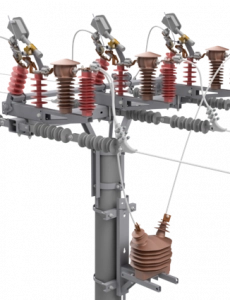
Medium Voltage Switches
Medium voltage switches are used to connect and disconnect circuits at medium voltage, typically in the range of 1 kV to 35 kV. They are used in a variety of applications, including power distribution, industrial processes, and telecommunications.
Features
Medium voltage switches can be either air-insulated or gas-insulated. Air-insulated switches use air as an insulator, while gas-insulated switches use a gas such as sulfur hexafluoride (SF6) as an insulator.
Advantages
Medium voltage switches offer a number of advantages over lower-voltage switches. They are more reliable, they can withstand higher currents, and they are less likely to cause arcing.
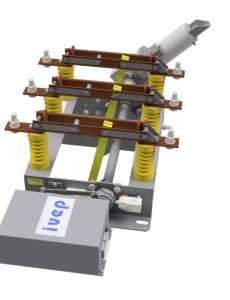
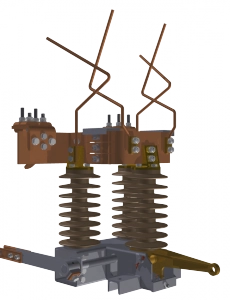
Medium Voltage Disconnectors
Medium voltage disconnectors are used to disconnect circuits at medium voltage, typically in the range of 1 kV to 35 kV. They are used in a variety of applications, including power distribution, industrial processes, and telecommunications.
Features
Medium voltage disconnectors can be either air-insulated or gas-insulated. Air-insulated disconnectors use air as an insulator, while gas-insulated disconnectors use a gas such as sulfur hexafluoride (SF6) as an insulator.
Advantages
Medium voltage disconnectors offer a number of advantages over lower-voltage disconnectors. They are more reliable, they can withstand higher currents, and they are less likely to cause arcing.
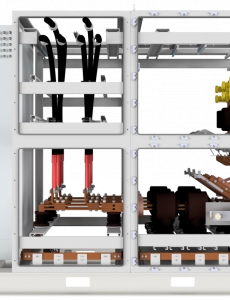
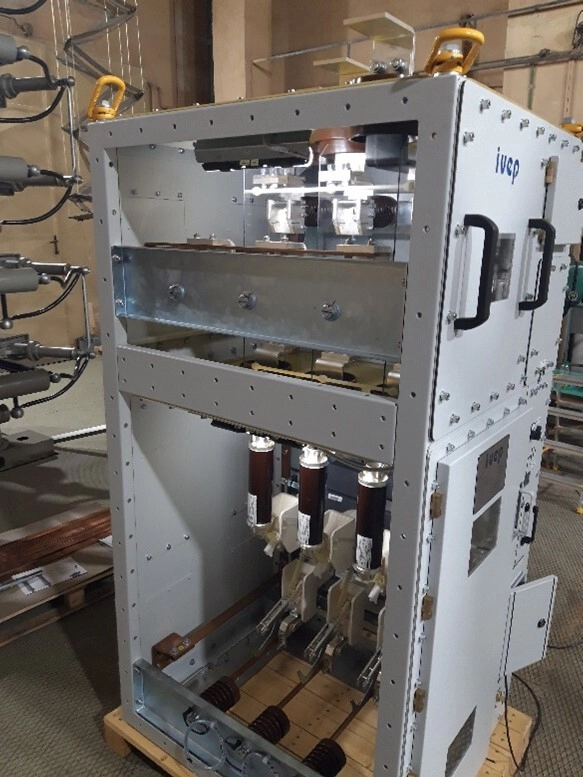
Medium Voltage Switchgear
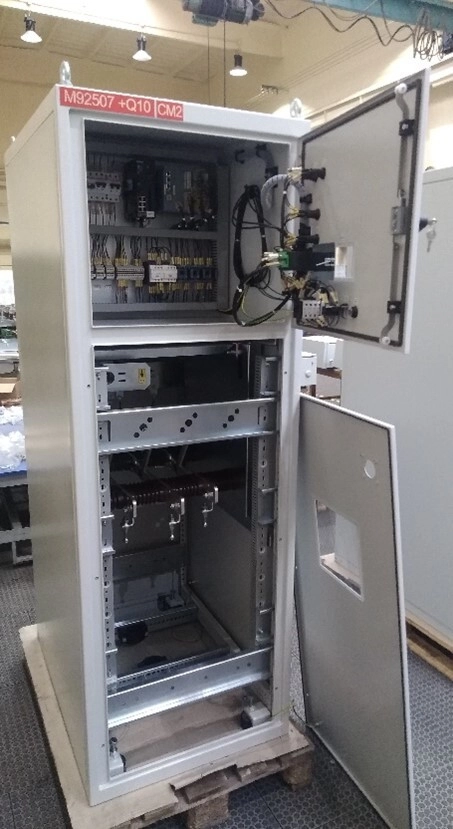
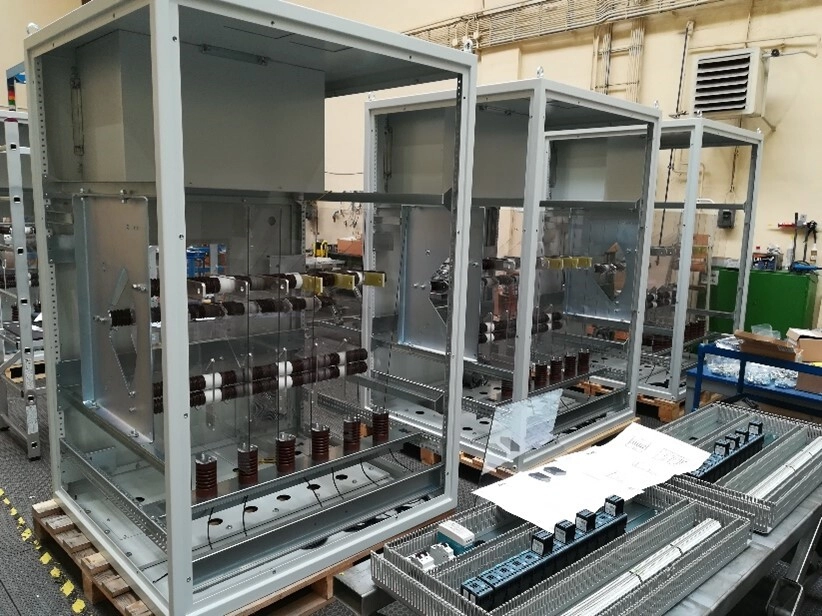
Medium voltage switchgear is a combination of medium voltage switches, disconnectors, and other equipment used to control and protect electrical circuits at medium voltage. It is used in a variety of applications, including power distribution, industrial processes, and telecommunications.
Features
Medium voltage switchgear can be either indoor or outdoor. Indoor switchgear is typically used in enclosed spaces, while outdoor switchgear is typically used in outdoor environments.
Advantages
Medium voltage switchgear offers a number of advantages over individual medium voltage switches and disconnectors. It is more compact, it is easier to install, and it is more reliable.
Medium Voltage Earthing Switches
Medium voltage earthing switches are used to connect and disconnect a circuit to earth at medium voltage. They are used in a variety of applications, including power distribution, industrial processes, and telecommunications.
Features
Medium voltage earthing switches can be either air-insulated or gas-insulated. Air-insulated earthing switches use air as an insulator, while gas-insulated earthing switches use a gas such as sulfur hexafluoride (SF6) as an insulator.
Advantages
Medium voltage earthing switches offer a number of advantages over lower-voltage earthing switches. They are more reliable, they can withstand higher currents, and they are less likely to cause arcing.
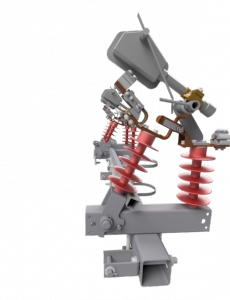
Load Break Switches
Load break switches are used to connect and disconnect circuits under load at medium voltage. They are used in a variety of applications, including power distribution, industrial processes, and telecommunications.
Features
Load break switches can be either air-insulated or gas-insulated. Air-insulated load break switches use air as an insulator, while gas-insulated load break switches use a gas such as sulfur hexafluoride (SF6) as an insulator.
Advantages
Load break switches offer a number of advantages over air-break switches and circuit breakers. They are more compact, they are easier to install, and they are more reliable.
Conclusion
High voltage generators, medium voltage switches, disconnectors, switchgear, earthing switches, and load break switches are all important electrical devices used in a variety of applications. They offer a number of advantages over lower-voltage devices, including efficiency, reliability, and ability to withstand higher currents.
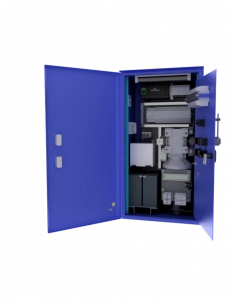
Electric Drive for Operation of Switches
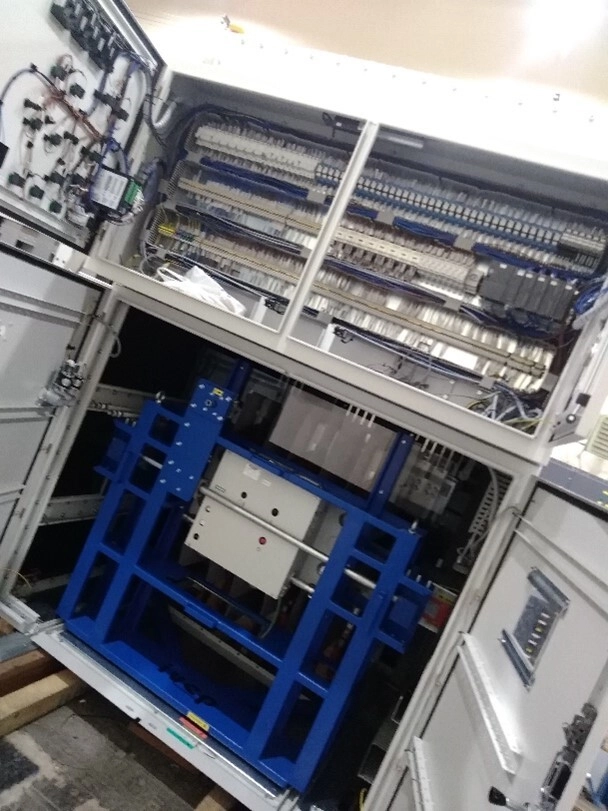
Electric drives are used to operate switches in a variety of applications, including power distribution, industrial processes, and telecommunications. They offer a number of advantages over mechanical drives, including:
Improved reliability: Electric drives are less likely to fail than mechanical drives, as they are not subject to wear and tear.
Increased efficiency: Electric drives are more efficient than mechanical drives, as they can use the power of the electricity grid to operate the switches.
Improved safety: Electric drives can be used to operate switches from a distance, which can improve safety for operators.
Features
Electric drives for switch operation typically consist of the following components:
- A motor: The motor provides the power to operate the switch.
- A controller: The controller converts the electricity from the grid into a form that can be used by the motor.
- A drive train: The drive train transfers the power from the motor to the switch.
Advantages
The advantages of electric drives for switch operation include:
- Improved reliability: Electric drives are less likely to fail than mechanical drives, as they are not subject to wear and tear. This is because electric drives do not have moving parts that can wear out or become damaged.
- Increased efficiency: Electric drives are more efficient than mechanical drives,as they can use the power of the electricity grid to operate the switches. Thisis because mechanical drives waste energy as heat.
- Improved safety: Electric drives can be used to operate switches from adistance, which can improve safety for operators. This is because operatorsdo not need to be in close proximity to the switches when they are beingoperated.
Smart Grid Systems
Smart grid systems are electrical grids that use digital technology to improve efficiency, reliability, and security. They use a variety of technologies, including:
Advanced metering infrastructure (AMI): AMI uses smart meters to collect data on electricity usage. This data can be used to improve efficiency by helping customers to reduce their energy consumption.
Distributed generation: Distributed generation refers to the generation of electricity from sources located close to the point of consumption. This can help to improve reliability by reducing the reliance on centralized power plants.
Demand response: Demand response refers to the ability to reduce electricity demand during peak periods. This can help to improve reliability by reducing the strain on the grid.
Features
Smart grid systems typically consist of the following components:
Smart meters: Smart meters are digital meters that collect data on electricity usage.
Communication networks: Communication networks are used to transmit data between smart meters and other devices in the smart grid.
Control systems: Control systems use the data collected from smart meters to optimize the operation of the grid.
Advantages
The advantages of smart grid systems include:
Improved efficiency: Smart grid systems can help to improve efficiency by reducing energy consumption and improving the utilization of renewable energy sources.
Increased reliability: Smart grid systems can help to improve reliability by reducing the likelihood of outages and by providing better information about the state of the grid.
Improved security: Smart grid systems can help to improve security by making the grid more resilient to cyberattacks.
Conclusion
Electric drives and smart grid systems are both important technologies that are used to improve the efficiency, reliability, and security of electrical grids. They offer a number of advantages over traditional technologies, and they are likely to become increasingly important in the future.